


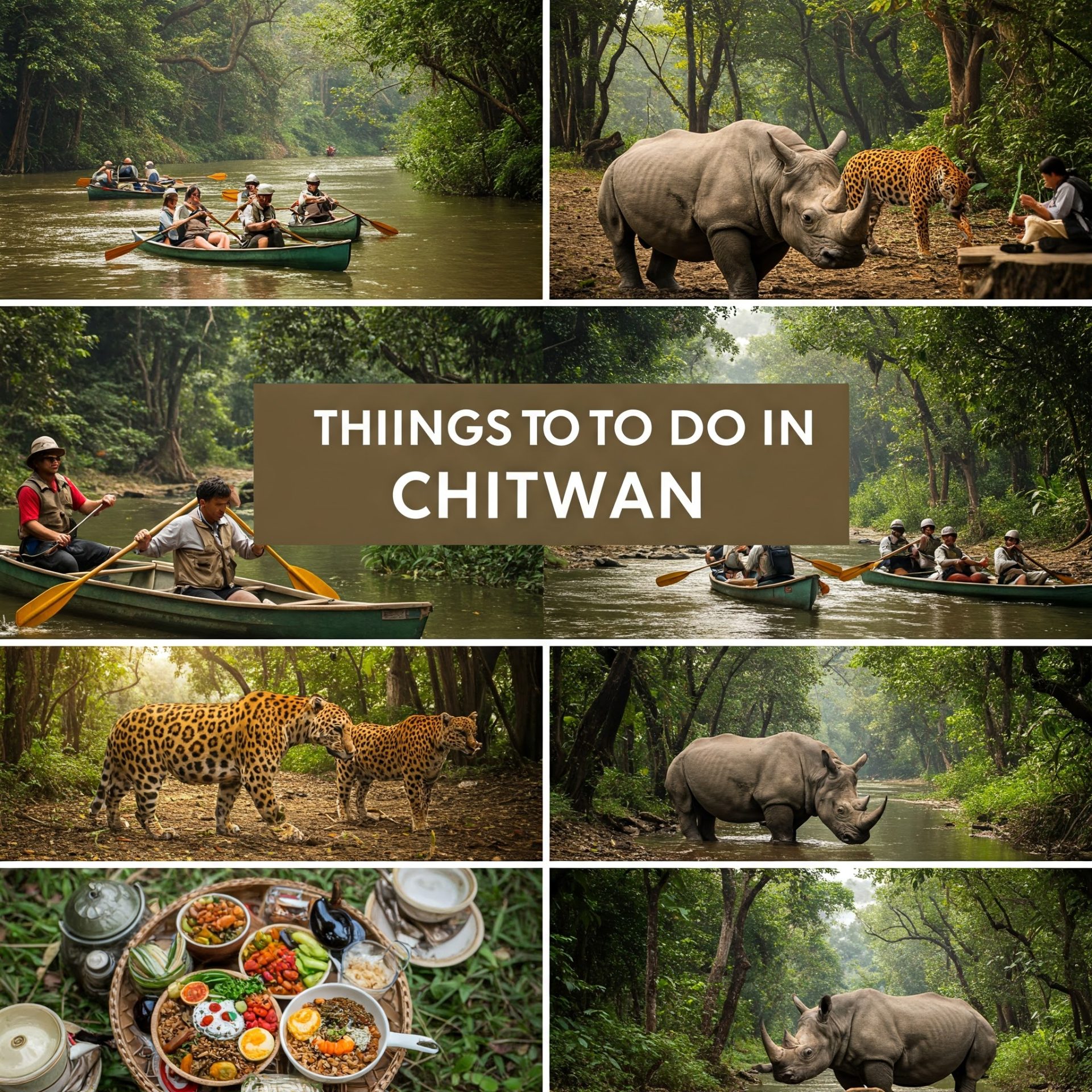

Chitwan is the fifth largest city in Nepal and is synonymous with wildlife and Tharu culture. Every time people hear the name Chitwan, they picture themselves amid the lush woodlands of the National park, either enjoying the safari or jungle walks. While some find themselves within the forest, others locate themselves in the Rapti/Narayani River bank sunbathing and canoeing. The main attraction of Chitwan is the Chitwan National park which is visited by thousands of visitors yearly to admire the beauty of nature and the indigenous Tharu community residing in the area. The perfect combination of these two factors makes Chitwan a popular tourist destination that offers different refreshing activities to visitors within its surrounding.
The name Chitwan comes from two Sanskrit words: Citta means heart, and vana means jungle/forest. Thus, Chitwan is also known as the heart of the jungle and is marked by dense forest that is home to wildlife like Leopards, Bengal Tiger, Rhino, elephants and many more.
Let’s unravel the 15 most exotic things to do during your Chitwan Trip:
Narayani River
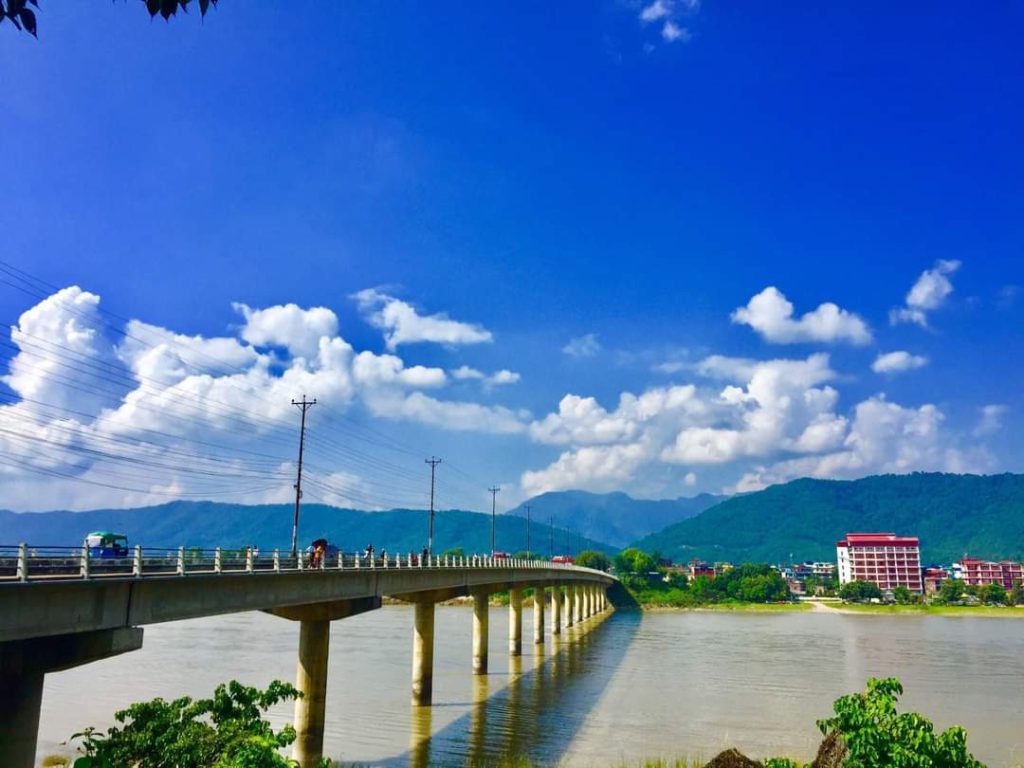
The banks of the Narayani River in Bharatpur offer a serene and picturesque setting to witness the day’s final moments. As the sun begins its descent, the sky transforms into a canvas of warm hues – oranges, pinks, and golds reflecting beautifully on the gentle flow of the river. The tranquil atmosphere, punctuated by the soft sounds of the water and perhaps the calls of birds settling for the night, creates a peaceful escape. It’s a moment to pause, breathe in the fresh air, and appreciate the natural beauty of Nepal as the sun dips below the horizon, painting a memorable scene on the water and the surrounding landscape.
Maulakalika Temple
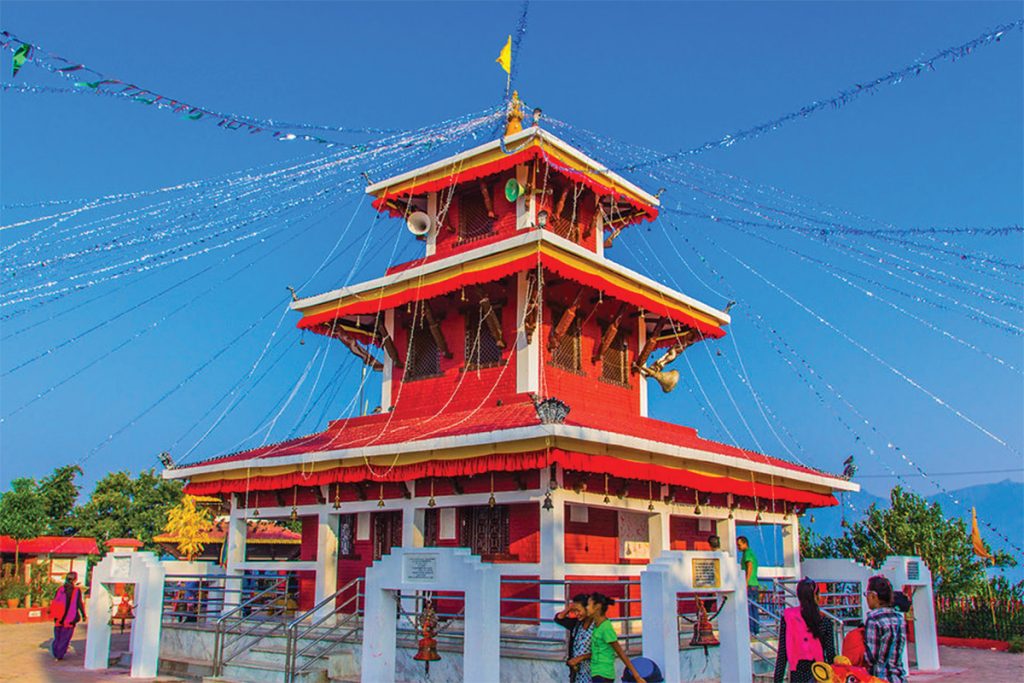
Visiting Maulakalika Temple offers a truly rewarding experience, beginning with a choice between an invigorating hike up Maula Hill or a quick cable car ride to the top. As you ascend, the air grows fresher, and the panoramic views begin to unfold, revealing the vast Terai plains, the winding Narayani River, and on clear days, the majestic Himalayan peaks in the distance. Reaching the temple, you are greeted by a serene atmosphere and the vibrant colors of prayer flags fluttering in the breeze. The temple itself, dedicated to Goddess Kali, exudes a sense of spiritual energy, and the intricate architecture reflects traditional Nepali craftsmanship. Whether you are a devout pilgrim or a curious traveler, the breathtaking vistas and the tranquil ambiance of Maulakalika create a memorable and uplifting visit.
Lake Twenty Thousand
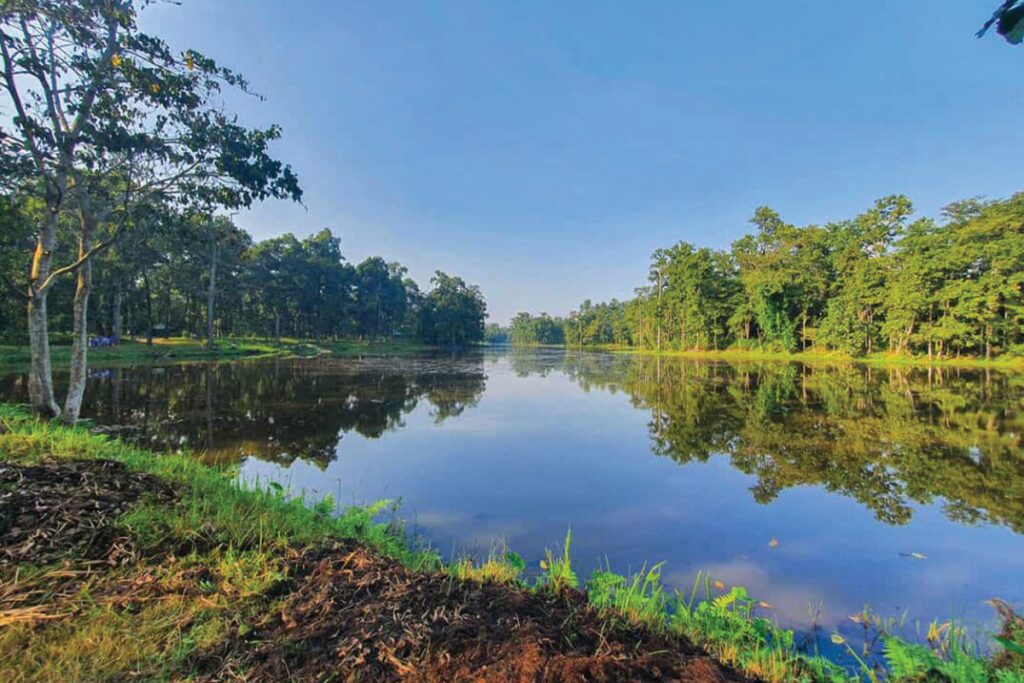
Visiting what is locally known as Lake Twenty Thousand, or Bis Hazari Taal, was an experience in tranquility and natural beauty. Situated near Bharatpur and within the buffer zone of Chitwan National Park, the extensive oxbow lake system lived up to its name, appearing as a network of numerous smaller ponds and wetlands. The area was alive with the sounds of diverse birdlife, making it a haven for birdwatchers. The still waters reflected the surrounding lush greenery, creating a picturesque scene. It was easy to see why this Ramsar site is recognized for its ecological importance.
Chitwan National Park
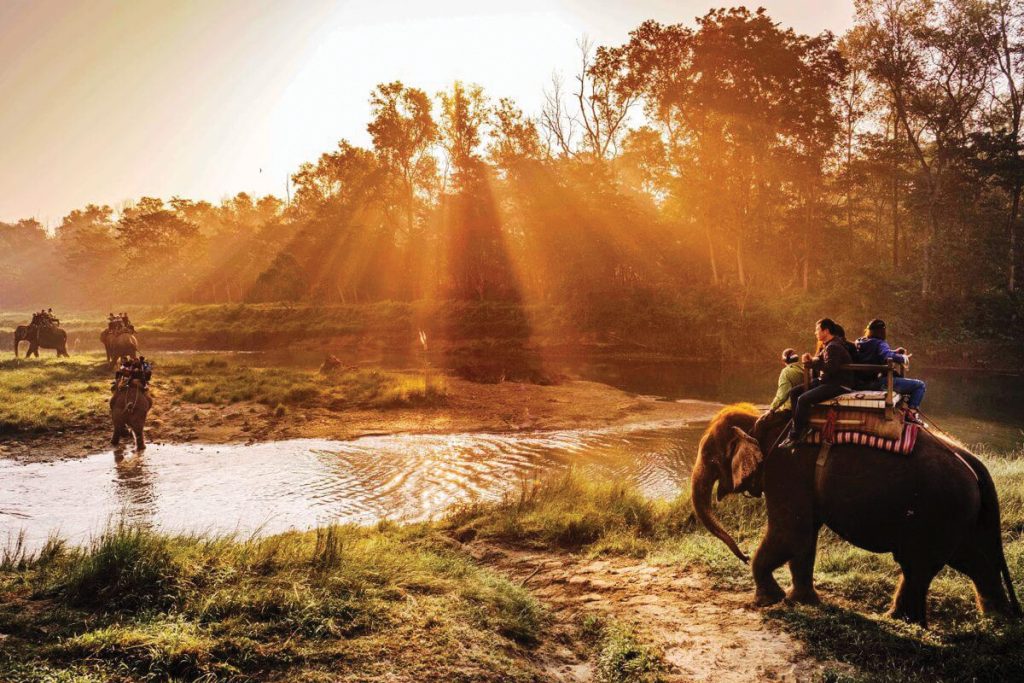
Visiting Chitwan National Park was an incredible immersion into the Terai region’s natural beauty. From thrilling jeep safaris where we spotted rhinos grazing peacefully in the tall grasslands to serene canoe rides along the Rapti River, observing gharials basking in the sun, every moment felt like a scene from a wildlife documentary. The vibrant birdlife was a constant symphony, and the knowledgeable guides shared fascinating insights into the delicate ecosystem. Evenings were spent enjoying local Tharu cultural performances, adding a rich human element to the wilderness experience. It was a truly unforgettable adventure that left me with a deep appreciation for Nepal’s biodiversity.
Elephant Riding
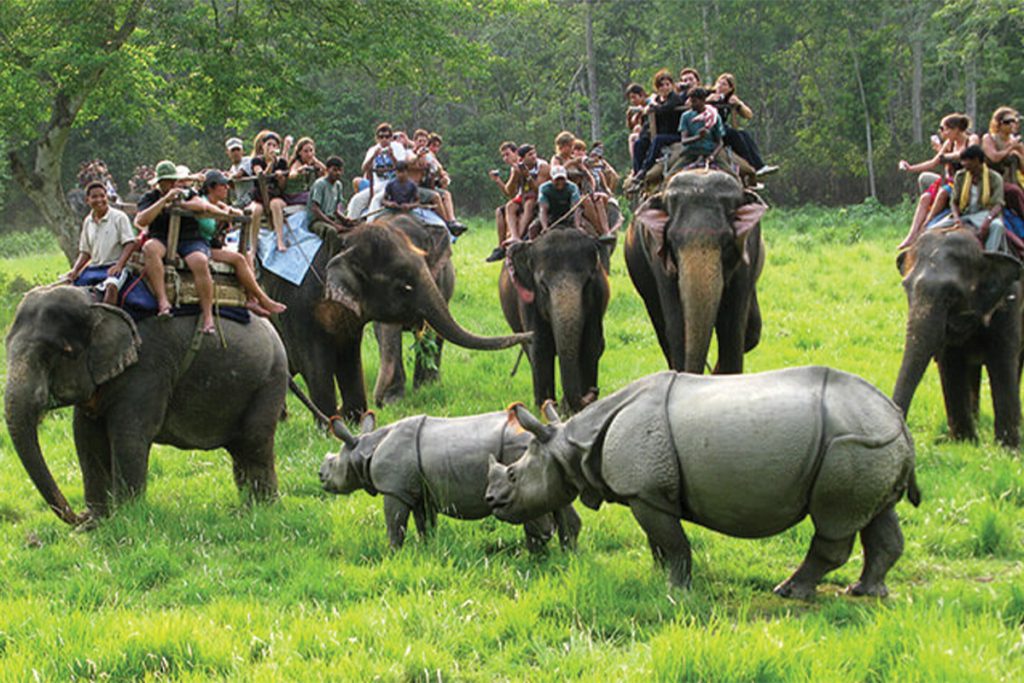
Riding atop an elephant through the dense jungle of Chitwan National Park offers a unique perspective for wildlife viewing, allowing visitors to get close to rhinoceroses, deer, and various bird species. Guided by experienced mahouts, these safaris traverse diverse landscapes, providing opportunities to observe the park’s flora and fauna at a leisurely pace. While the experience can be memorable, it’s important to be aware of the ongoing discussions surrounding the ethical implications of elephant tourism and to choose operators committed to the well-being of these magnificent animals.
Shashwat Dham
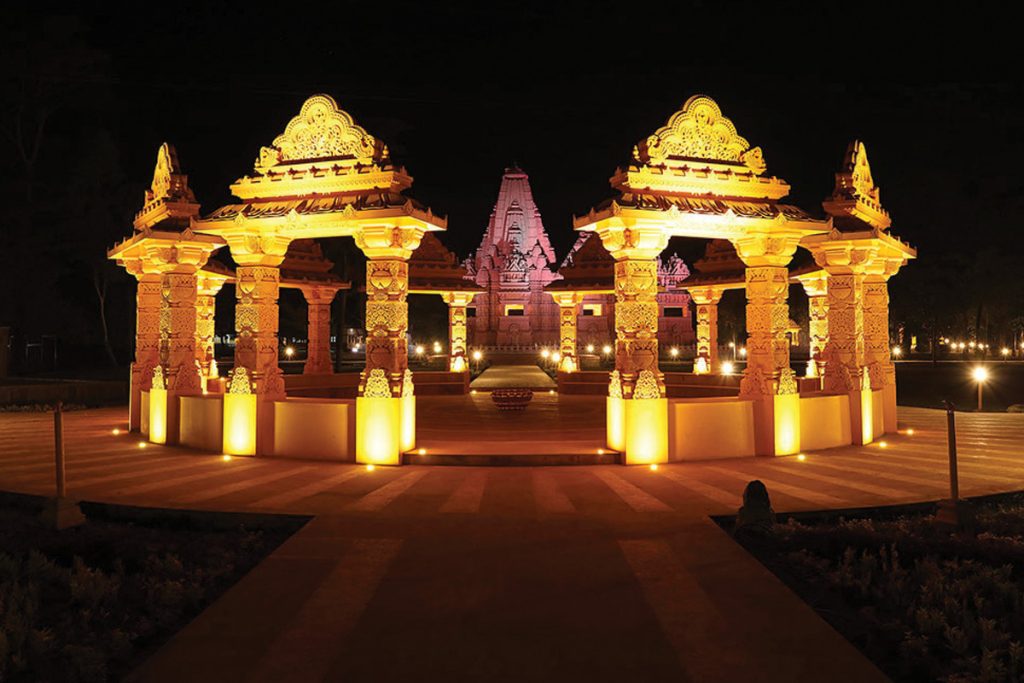
Visiting Shashwat Dham is a serene and enlightening experience, offering a glimpse into Nepal’s rich spiritual and cultural heritage. The sprawling complex houses beautifully crafted temples, tranquil gardens, and informative museums, all set against a backdrop of the stunning Nepalese landscape. The intricate architecture of the main temple, the Ekambareshwar Shiva Temple, is a sight to behold, and the peaceful atmosphere invites visitors to reflect and connect with their inner selves. Whether you’re seeking religious solace, cultural immersion, or simply a peaceful escape, Shashwat Dham provides a memorable and enriching visit.
Elephant Breeding Farm
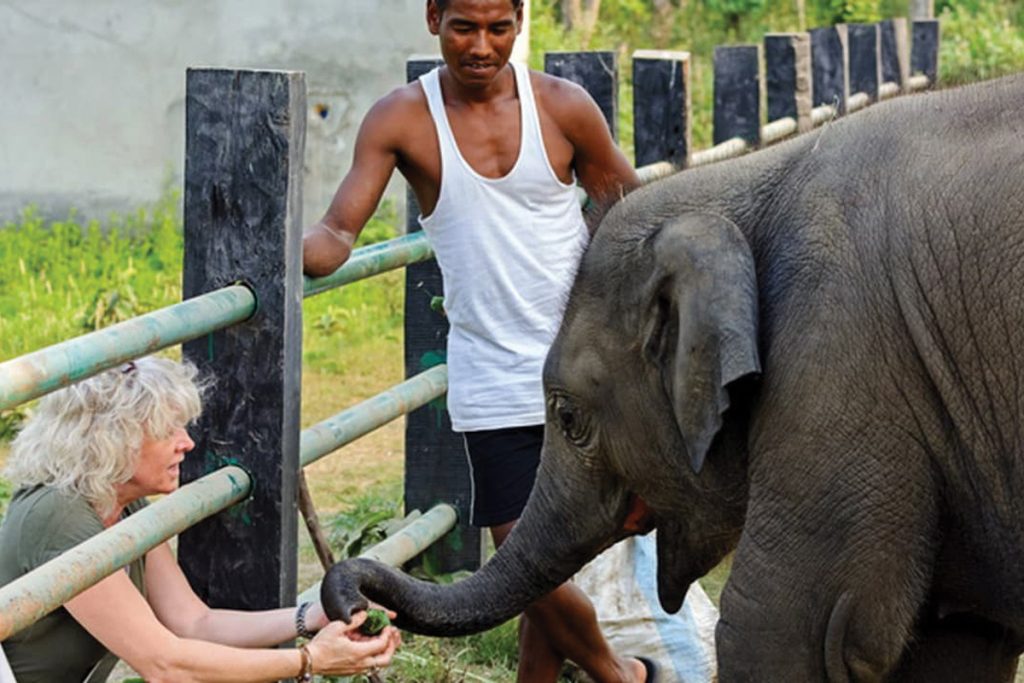
A visit to the elephant breeding farm in Chitwan, Nepal, offers a unique opportunity to witness the dedicated efforts to conserve these magnificent creatures. Located near Chitwan National Park, the center provides a safe haven for elephants, especially young calves, and plays a crucial role in raising healthy elephant populations. Observing the elephants in their semi-natural habitat, interacting with their handlers, and learning about the center’s conservation initiatives creates a memorable and educational experience. It’s a chance to appreciate the beauty and intelligence of these gentle giants while gaining insight into the challenges they face and the importance of protecting them.
Crocodile Breeding Farm
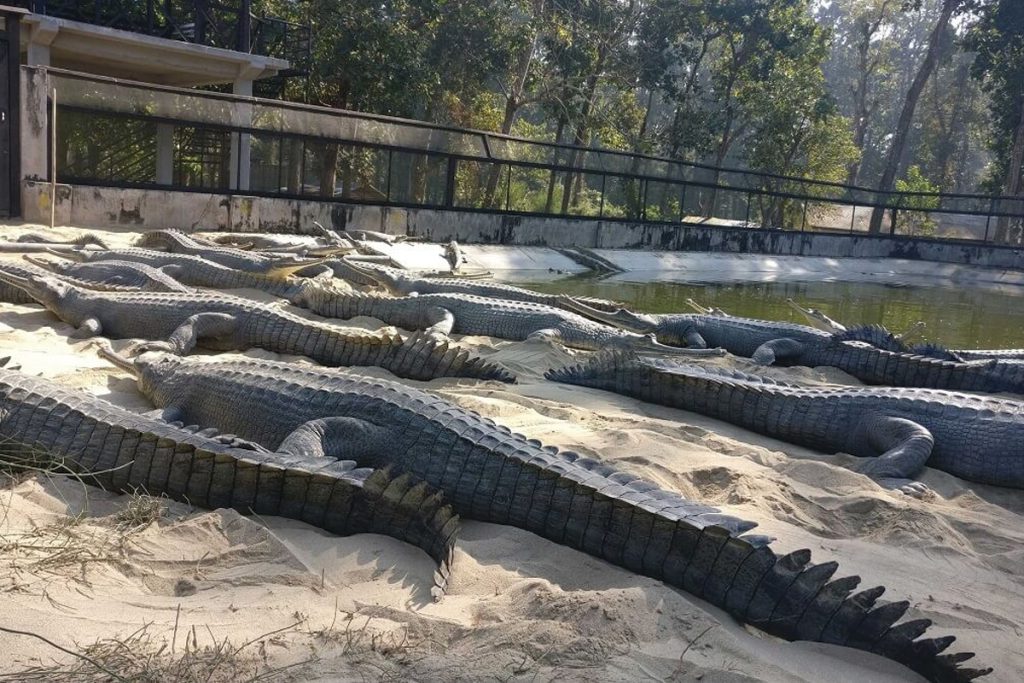
Visiting the crocodile breeding farm in Chitwan National Park is a fascinating experience, particularly for those interested in wildlife conservation. The farm focuses primarily on the endangered gharial crocodile, a species native to Nepal’s rivers. Here, you can witness the various stages of a crocodile’s life, from egg to hatchling to adulthood. The center plays a crucial role in protecting these reptiles and helps to maintain the ecological balance of the river systems. It’s an educational visit, offering insights into the challenges these creatures face and the efforts being made to ensure their survival.
Jeep Safari
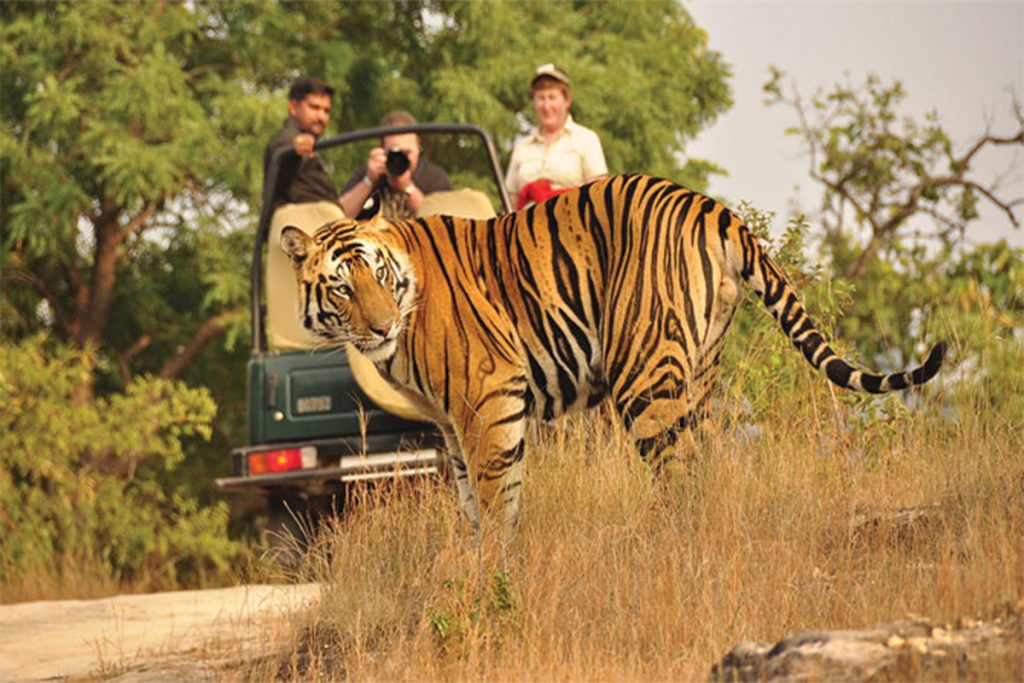
A jeep safari through Chitwan National Park plunges you into the heart of Nepal’s wilderness, offering an exhilarating experience across diverse landscapes. As the open-top jeep traverses through dense forests, sprawling grasslands, and riverbanks, you’ll have the opportunity to spot a wide array of wildlife. Keep your eyes peeled for the majestic one-horned rhinoceros, elusive Bengal tiger, and a variety of other fascinating creatures such as deer, monkeys, and colorful birds. With each twist and turn, the park’s natural beauty unfolds, creating lasting memories of this unforgettable adventure.
Distance from Kathmandu by Road and Plane
The road distance from Kathmandu to Chitwan is 180.4KM and takes around 7-8 hours drive from Kathmandu, while a plane takes about 20 minutes to arrive at Bharatpur. After landing in Bharatpur, you can take local or private transport to Chitwan, which is 16KM ahead.
Distance from Lumbini by Road and Plane
The road distance from Lumbini to Chitwan is 88 km and takes around 5-6 hours drive, while there is a single flight from Bharatpur to Lumbini that takes about 20 minutes.
Distance from Pokhara by Road and Plane
The road distance from Pokhara to Chitwan is 102 km, and takes around 4-5 hours drive, while the flight takes about 20 minutes.